
In-person
Kickoff
Date pending
Tickets opening soon
Los Angeles
Los Angeles
Los Angeles kickoff date coming soon
Venue TBD
Featured kickoff guest to be announced
Mental Health CODE presents
Suicide prevention cannot stop at awareness.
Seeing The Signs brings science, practical education, and the CODE Method™ into communities so more people can recognize distress, respond with compassion, and help connect someone to appropriate support.
Planning notice. The Los Angeles kickoff date is coming soon. Additional in-person cities and virtual events will be announced as they are confirmed. Featured kickoff guest to be announced.
Tour dates, locations, venues, speakers, and program details may change as scheduling and venue arrangements are finalized. Please check back for the latest information.
Show upSpeak upShare itSupport it
That is what this Tour teaches — in person and online, for everyday people who want to recognize distress earlier and respond with more confidence and care.
Why this matters
Suicide and suicidal crisis reach past the person in pain. Families, friends, colleagues, workplaces, churches, schools, children, and whole communities carry the consequences — and each of those relationships is also a place where distress can be noticed early.
Contacts to the 988 Suicide & Crisis Lifeline since launch
United States · Since launch
Substance Abuse and Mental Health Services Administration · September 2026
Average monthly 988 calls, chats, and texts
Los Angeles County · Current monthly average
Year-to-date increase in monthly 988 call, chat, and text volume
Los Angeles County · Year to date, 2025
Los Angeles County public reporting / Public Safety Realignment Team
Crisis services are being used more, which tells us people are reaching for help. Seeing The Signs works on what happens before that call: earlier recognition, honest conversation, and clearer routes to support. If you need help right now, you can call or text 988.
Why this Tour is different
Seeing The Signs combines current science, practical community education, and the CODE Method™ to help people recognize distress, respond with greater confidence and compassion, and connect someone with appropriate support.
The Tour moves beyond telling people that suicide is a problem. It focuses on what may be happening beneath the surface, and on what an everyday person can learn to do when someone may be struggling.
The Tour is designed to help reduce suicide risk through earlier recognition, meaningful connection, compassionate intervention, practical community education, and stronger pathways to appropriate support.
Here is where it is going
Tour and virtual events
Approximately one city per month across a ~150-day campaign, plus national virtual sessions. Select an in-person city to see tickets. Virtual events use a separate registration flow.
Tour dates, locations, venues, speakers, and program details may change as scheduling and venue arrangements are finalized. Please check back for the latest information.
Los Angeles
Los Angeles kickoff date coming soon
Venue TBD
Featured kickoff guest to be announced
November 15
Online
A supportive and practical conversation about emotional well-being, suicide prevention, grief, loneliness, family stress, and help-seeking during the holiday season.
San Diego
Date coming soon
Venue TBD
Featured guest to be announced
City under planning — not yet a confirmed date.
January 9
Online
A practical session focused on taking an active role in emotional well-being, recognizing personal needs, building supportive routines, communicating boundaries, and knowing when to seek additional support.
Denver
Date coming soon
Venue TBD
Featured guest to be announced
City under planning — not yet a confirmed date.
February 7
Online
An educational session about seasonal changes, emotional well-being, warning signs, supportive conversations, and pathways to professional or crisis support.
Chicago
Date coming soon
Venue TBD
Featured guest to be announced
City under planning — not yet a confirmed date.
New York
Date coming soon
Venue TBD
Featured guest to be announced
City under planning — not yet a confirmed date.
Maryland
Date coming soon
Venue TBD
Featured guest to be announced
City under planning — not yet a confirmed date.
These sessions are educational conversations, not crisis counseling or therapy. If you need support right now, you can call or text 988 any time, free and confidential.
Additional cities under consideration: Austin • Dallas • Seattle • Atlanta • San Francisco
The kickoff opens the campaign, virtual sessions carry it between cities, and a closing gathering brings it to an end.
Attend
Choose a Tour stop and reserve your seat, or register your interest in one of the national virtual sessions.
The science behind Seeing The Signs
Suicidal thoughts and behavior do not come from a single cause or one part of the brain. Risk can emerge from interacting biological, psychological, relational, environmental, and societal factors. Stress, trauma, mental illness, substance use, pain, sleep disruption, isolation, hopelessness, access to care, and other pressures can combine differently from one person to another.
Mental health is both biological and behavioral.
Biology shapes how a person experiences distress, and behavior, relationships, and circumstances shape what happens next. Neither explanation is complete on its own, which is why prevention has to work on both: understanding what may be happening inside a person, and changing what happens around them.
The body has systems designed to help us respond to threat and stress. When stress becomes intense, prolonged, or layered with trauma and other vulnerabilities, the systems involved in emotion, attention, arousal, sleep, learning, and decision-making can be strained.
Threat and emotional processing involve broad neural systems working together rather than any single structure. Naming one region — the amygdala, for example — does not explain a suicidal crisis, and no current brain measure identifies who will attempt suicide.
These are described in the research literature as associations under study, not as causes, tests, or predictors.
Distress is not simply weakness, lack of character, or lack of willpower. Understanding how the brain and body respond to distress can reduce shame — and change how we respond to a person who is struggling.
Research into suicidal behavior has examined attention, cognitive control, learning, future thinking, problem-solving, and decision-making. During periods of intense distress, some people may find it harder to generate, evaluate, or imagine alternatives.
This does not mean every person who becomes suicidal thinks the same way, and it does not provide a diagnostic test. It helps explain why a crisis can feel cognitively constricted, and why a solution that looks obvious from the outside may be genuinely difficult to reach for in that moment.
It also changes what a helpful response looks like. If alternatives are hard to see, the useful move is rarely to argue someone out of their pain — it is to stay present, lower the pressure, and help widen the view together.
Public-health research consistently identifies protective factors associated with lower suicide risk. They are not guarantees, and they do not replace treatment — but they are the part of the picture that a community can actually strengthen.
A friend, family member, coworker, teacher, coach, faith leader, or colleague is not expected to become a clinician. What connection can do is reduce isolation, increase belonging, create enough psychological safety for someone to speak honestly, and form a bridge toward appropriate professional or crisis support.
The question is not simply, “Why would someone do this?”
A more useful question can be, “What may be making another option difficult to see right now?”
A conceptual model
Life pressure, trauma, health, pain, substance use, sleep, isolation, and access to care interact differently for every person.
can influence
The systems that help a person regulate feeling, hold focus, weigh options, and picture a future can be strained.
which may be reflected in
Shifts in how someone speaks, feels, behaves, sleeps, works, or withdraws — sometimes noticeable to the people around them.
which creates an opportunity for
A person who notices can stay present, ask directly, listen without judgment, and take the concern seriously.
which can help create a bridge toward
Therapy, medical care, community services, and 988 — the destinations community members help people reach, not replace.
A conceptual educational model, not a diagnostic or predictive pathway. It does not imply linear causation, and no stage determines what follows.
National Institute of Mental Health
Current federal guidance on warning signs, risk, and help-seeking.
National Institute of Mental Health
Suicide-prevention science and research materials
Federal research programs on suicide risk, mechanisms, and intervention.
Centers for Disease Control and Prevention
Risk and Protective Factors for Suicide
Basis for the protective-factor list in this section.
Dombrovski and colleagues
Research review on the search for solutions, learning, simulation, and choice processes in suicidal behavior
Basis for the discussion of cognition, problem-solving, and decision-making.
Peer-reviewed research literature
Current research examining the neurobiology and potential biosignatures of suicide, including stress biology, inflammation, neurotransmitter systems, and neuroplasticity
Cited collectively as areas of ongoing study; no individual finding is presented as predictive.
Sources listed without a link are cited by title and organization because an official URL could not be confirmed for publication. No blog, summary, or unsourced reference is used.
From science to action
Science helps us understand why early recognition and connection matter.
The CODE Method™ helps people understand what to do next.
Understanding is where prevention starts, not where it ends. The rest of this page is about the practical part: what an everyday person can learn to notice, say, and do — and where the Tour teaches it.
The CODE Method™ helps make suicide prevention a shared, actionable community responsibility rather than something viewed solely as a clinical task.
Create psychological safety and help reduce the barriers that may prevent someone from opening up.
Because shame and fear keep people quiet, and distress is not a character flaw to be argued with.
Learn to recognize possible signs of distress across several domains rather than looking for a single obvious signal.
Because strain shows up across speech, mood, behavior, body, and relationships — rarely as one obvious signal.
Use compassionate, non-judgmental conversation and active listening to better understand what someone may be experiencing. The goal is understanding, not immediately trying to fix the person.
Because when alternatives are hard to see, being understood does more than being corrected.
Move from concern toward appropriate action, helping connect someone with support that can carry beyond the conversation.
Because access to care is a protective factor, and a community member's role is to help someone reach it.
Community members trained in the CODE Method™ do not replace therapists, physicians, licensed clinicians, crisis counselors, or emergency services.
The Tour experience
Attendees learn how distress can affect people biologically, cognitively, emotionally, and socially; how to identify changes that warrant attention; how to open a compassionate conversation and tell listening apart from fixing; and when and how to connect someone to professional or crisis support. It is education and practice — not clinical certification.
Community introductions and an accessible overview of what the day covers.
Structured education on warning signs, supportive conversations, and pathways to help.
The intellectual center of the day: Connect, Observe, Discover, Empower — taught as a practical, trauma-informed sequence.
Guidance and materials from Mental Health CODE, community partners, and clinical contributors.
An honest conversation with Mental Health CODE speakers and any confirmed featured guests, plus community discussion.
Where purchased and available. Capacity limited, and participation varies by city.
Use the CODE Method™ to give everyday people practical, trauma-informed tools for identifying distress and responding compassionately and effectively.
Help create sustainable pathways between community support, local resources, crisis services, and professional care.
Program elements vary by city. Final agendas are shared with ticket holders once venues and timing are confirmed.
Featured conversation
Each event creates space for honest dialogue, lived experience, practical education, and meaningful next steps. Featured guests will vary by event and will be announced as participation is confirmed.
We share featured guests only after participation is confirmed and approved for publication. Check back soon for the Los Angeles kickoff announcement.
Speakers & panel
The people you'll hear from bring a mix of advocacy, clinical insight, and community leadership. Additional featured guests may be announced for specific cities and virtual sessions.
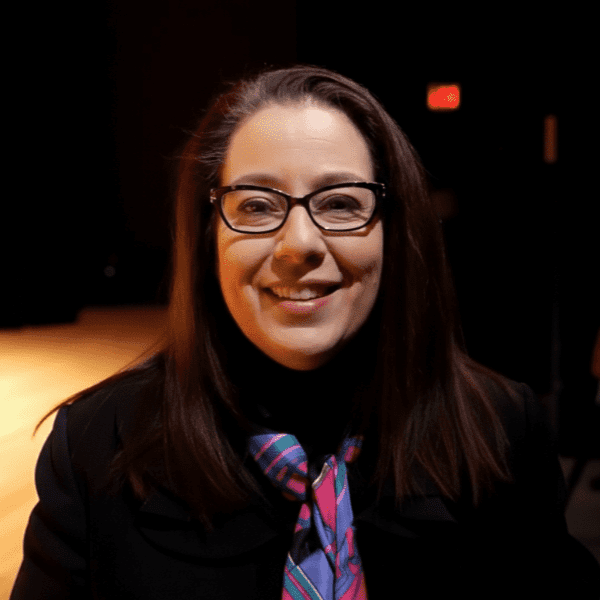
Founder, Mental Health CODE
Leads Mental Health CODE's mission to reduce stigma, silence, suffering, and suicide risk.
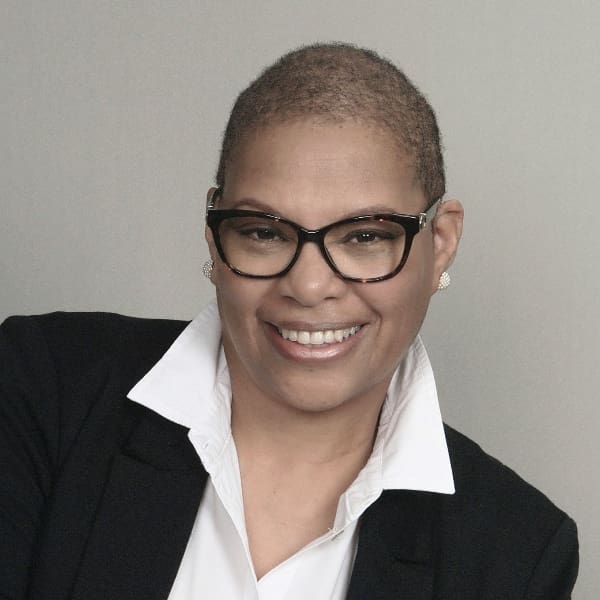
Community Partner
Focused on culturally responsive mental health support and community engagement.
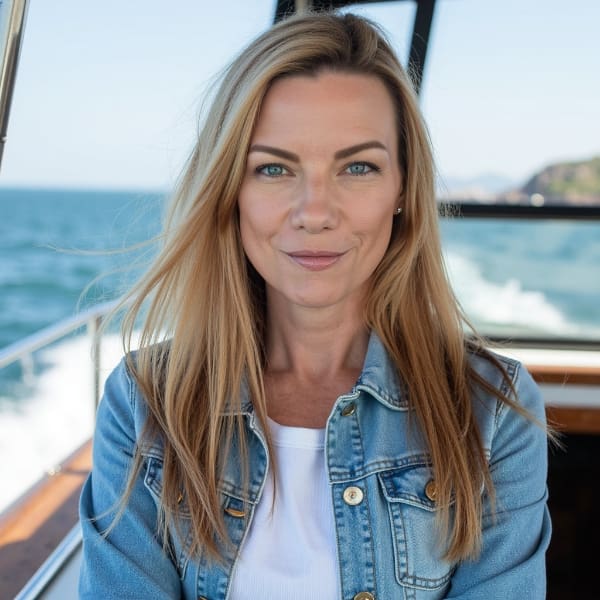
Prevention Specialist
Speaks to the work of interrupting cycles of harm and building pathways to belonging.
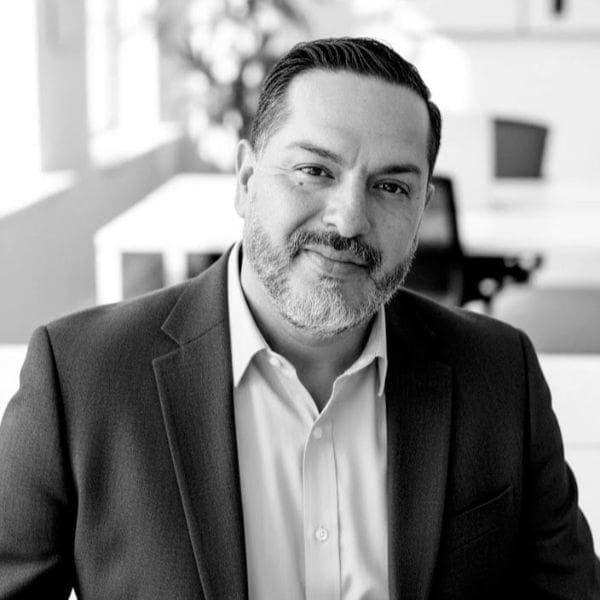
Clinical Contributor
Bridges clinical practice with community education and lived-experience storytelling.
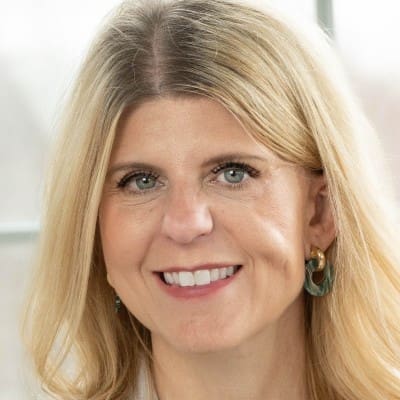
Programs & Partnerships
Designs the Tour experience and ensures every stop is welcoming and accessible.
Featured kickoff guest to be announced. Additional featured guests will be shared once participation is confirmed and approved for publication.
Reserve seats
One purchaser can buy for the whole group, and the purchaser does not have to attend. Every admission ticket must have a named attendee.
Seating in rows 1 through 4 — closest to the stage, speakers, and the featured conversation.
$399 / attendee
96 seats theoretical, before venue adjustment.
Seating in rows 5 through 8 — excellent sightlines with full access to the day's program.
$349 / attendee
96 seats theoretical, before venue adjustment.
Seating from row 9 to the back of the room, with full access to the day's program.
$299 / attendee
Seat count depends on the venue configuration.
A capacity-limited lunch experience with selected event speakers and featured guests. Requires a paid admission ticket and must be attached to a named admission-ticket holder. Participants are announced per city and availability may differ by city. Purchasing lunch does not guarantee that every event speaker or featured guest attends.
$129 / attendee
Capacity limited; availability varies by city.
Add at least one admission ticket before adding lunch.
Row availability depends on the venue configuration for each city. Seat counts shown are planning figures, not confirmed inventory.
Partnership
By supporting Seeing The Signs, an organization is investing in sustainable community safety, practical education, human connection, and stronger pathways to appropriate care.
A contribution funds the same infrastructure this page describes: science-informed education in a room full of neighbors, CODE Method™ instruction, and local pathways to care that outlast the event.
Practical tools designed to be useful across backgrounds and community roles.
Prioritizes human dignity and psychological safety for both the person experiencing distress and the person offering support.
Designed so community education can support deeper advocacy, local capacity, and an ongoing culture of care.
Help move people from passive observation toward active advocacy while prioritizing dignity, connection, and psychological safety.
Use measurable, data-informed community strategies to develop a model that can be replicated and strengthened across communities.
Measurement and outreach approaches are being developed with Hawk Media.
Choose a level to start the conversation. These are contribution amounts, not predefined sponsorship packages.
Contribution levels are a starting point for a conversation. No sponsor benefits have been contracted, and every partnership is shaped together.
Help us build communities where fewer people feel invisible or alone.
FAQ
If you don't have someone to talk to, such as a friend, family member, coworker, or trusted professional, please know that you can call or text 988 for free, confidential support, available 24/7.
Mental Health CODE provides education and supportive resources. It does not replace therapy, diagnosis, emergency care, or treatment from a qualified professional. Our virtual sessions are educational conversations — they are not crisis counseling or therapy.